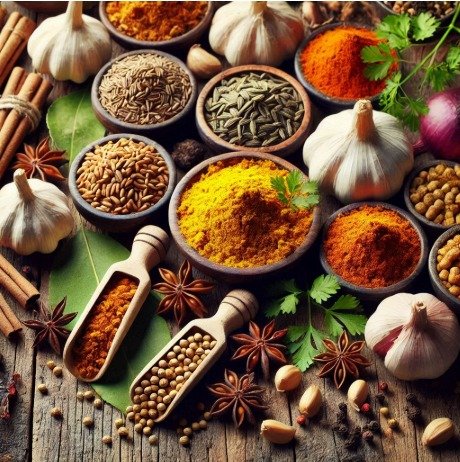
The Secret to Perfectly Balanced Indian Spices
Indian cuisine is a tapestry of flavors, and at its heart lies the intricate dance of spices. From the fiery heat of chili to the earthy sweetness of cinnamon, each spice contributes its unique note. But how do you achieve the perfect balance? Let’s delve into the science and art of blending Indian spices.
The Science of Spice
Spices do more than flavor your food; they interact at a chemical level to create depth and complexity. Turmeric, for example, contains curcumin, a compound with potent anti-inflammatory properties. When paired with black pepper, the piperine in pepper enhances curcumin absorption by up to 2,000%.
Understanding these interactions is key to blending spices. Cardamom adds brightness to rich curries, while cumin’s nutty warmth provides a grounding base. The secret lies in balancing the six fundamental tastes: sweet, sour, salty, bitter, umami, and astringent, ensuring no single flavor overpowers the dish.
Health Benefits of Indian Spices
Turmeric: Anti-inflammatory and antioxidant properties.
Cumin: Aids digestion and boosts immunity.
Coriander: Rich in antioxidants and supports heart health.
Fenugreek: Helps regulate blood sugar levels.
Tips for Perfect Spice Blends
Layer Flavors: Add whole spices early to release their oils and ground spices later for a burst of flavor.
Toast and Grind Fresh: Toasting enhances aroma, and freshly ground spices are more potent.
Experiment: Don’t be afraid to mix traditional combinations with new ingredients to create unique profiles.
A well-balanced spice blend doesn’t just elevate your dish; it tells a story of harmony between health and flavor.